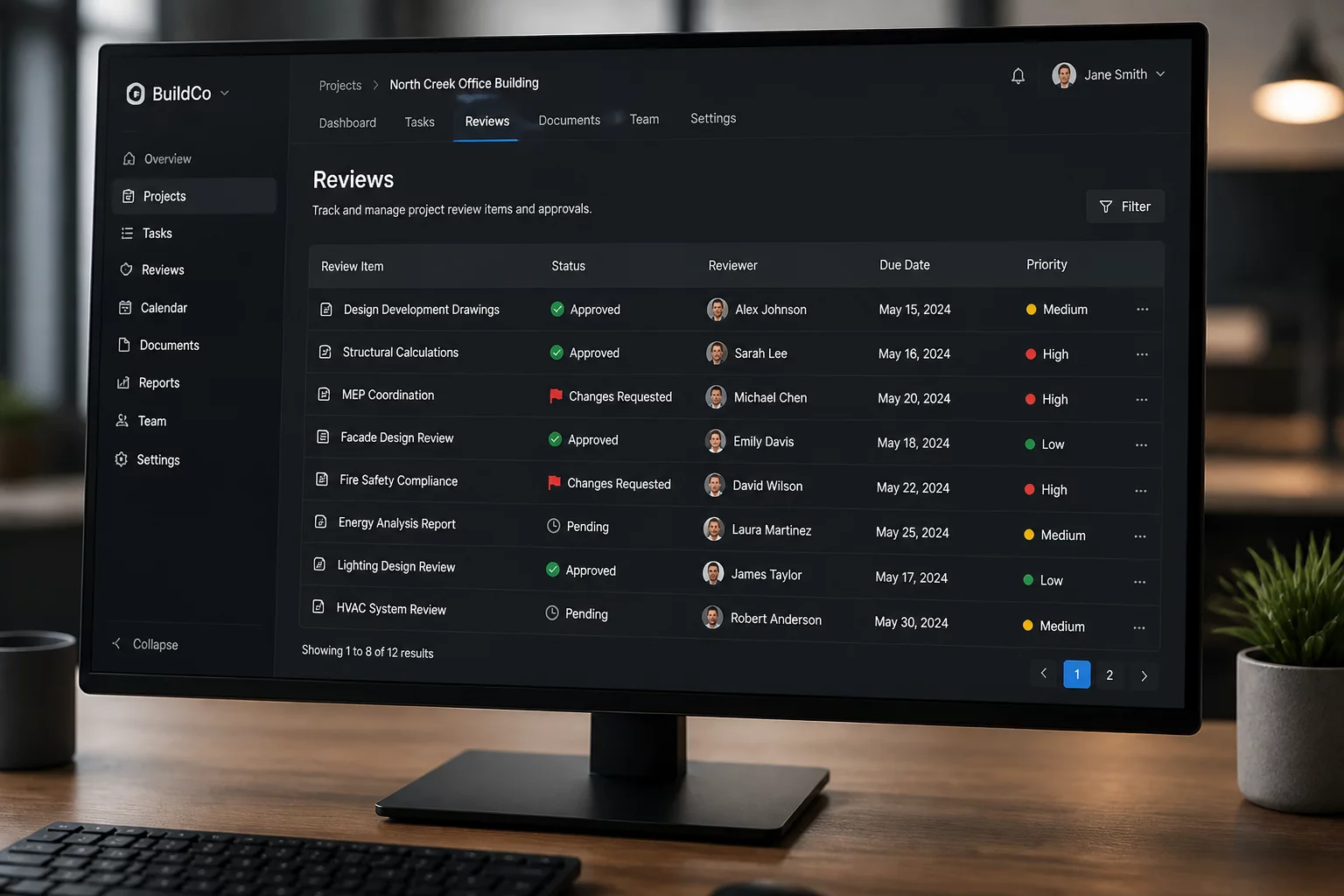
The Logic of Status Tracking in Revision Management
In the high-stakes environment of construction document review, the sheer volume of markups can quickly become overwhelming. Without a clear classification system, teams often find themselves drowning in a sea of redlines, unable to distinguish what is truly settled from what remains a critical roadblock. The distinction between "Accepted" and "Unresolved" review items isn't just about color-coding; it is about defining the project's trajectory and ensuring every design intent is captured accurately during the drafting phase.
Defining the 'Accepted' State
An accepted item is more than just a comment that the design team likes. It represents a finalized decision where the drafting team and the reviewer have reached a consensus. When an item is moved to the accepted status, it implies that the necessary changes are integrated into the next revision. This status acts as a green light for the drafting team, signaling that the debate is over and the implementation phase has begun. However, acceptance must be documented in the metadata of your review software to prevent redundant checks later.
The Complexity of Unresolved Items
Unresolved items are the friction points of any project. They are not necessarily errors; they are simply tasks that lack a final resolution path at the current moment. They often represent technical clashes, budget variances, or pending RFI responses. Leaving items in an unresolved state for too long creates a backlog that can paralyze a project during the final construction phases. It is vital to categorize these by priority, distinguishing between minor drafting notes and high-priority structural misalignments that demand immediate intervention.
Standardizing the Review Cycle
To keep the project moving, teams should adopt a rhythmic review cycle. Every week, the project manager should filter for all unresolved items and assign them to specific owners. This prevents comments from getting lost in the noise of a large sheet set. By the time the next submittal is due, the goal is to have a complete transition from unresolved to accepted or closed. Digital tools make this filtering instantaneous, but the human logic behind the status change remains the most critical factor for project success.
Common Questions
Can an accepted item become unresolved again? Only if new field conditions or design changes invalidate the previous consensus. Generally, once an item is accepted and drafted, reopening it requires a formal change notice to avoid technical confusion.
How do we track the history of these changes? Most modern AEC software keeps a log of who changed a status and when. It is essential to never delete a comment; instead, move it through the status lifecycle to maintain a complete audit trail for legal and technical verification.
Discussion & Feedback
Kevin Hart
AEC Member • 2026-07-21Clear distinction between accepted and unresolved.
Laura Croft
AEC Member • 2026-07-22Helps our team prioritize.
Leave a Comment