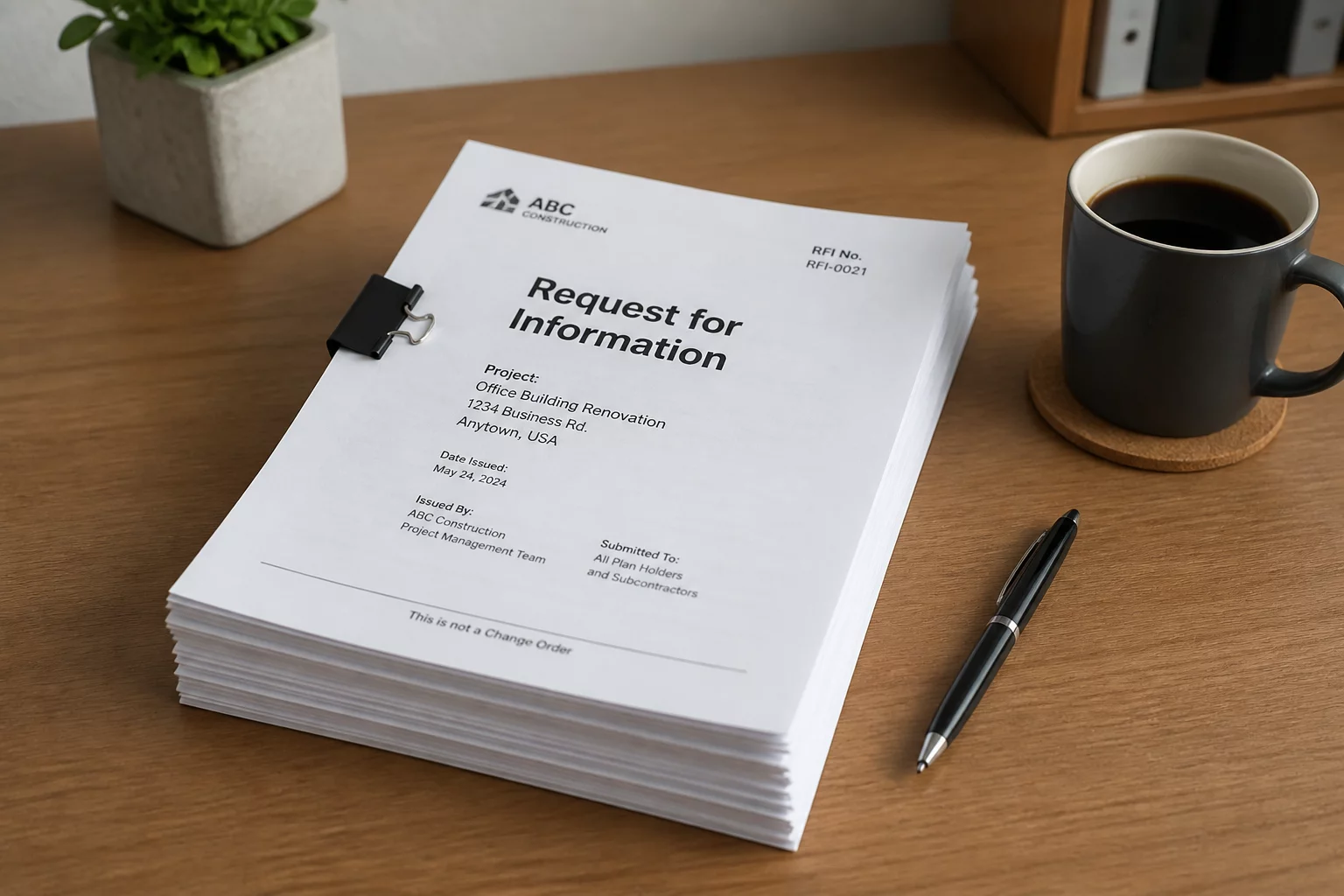
Establishing a Systematic Workflow for Technical Queries
Managing RFI responses efficiently is a fundamental requirement for maintaining project momentum in the AEC industry. A Request for Information typically signals a gap in the construction documents or a conflict that requires immediate resolution from the design team. Without a structured protocol, these queries can quickly become bottlenecks, leading to delays and potential cost overruns.
Categorize Incoming Technical Queries
Sort every incoming RFI immediately upon receipt to determine its urgency and impact. Identify whether the query is a simple clarification of design intent or a complex issue that may require a change order. Use a centralized tracking log to monitor response times and ensure that no critical questions remain unanswered as the construction schedule progresses.
Coordinate with the Consultant Team
Distribute the RFI to the relevant engineering disciplines if the query touches upon structural, MEP, or civil scopes. Gather all technical feedback before drafting the final response to ensure cross-discipline consistency. Review the consultant's input against the architectural sheets to verify that the proposed solution does not create new conflicts in other systems.
Draft Actionable and Precise Responses
Provide answers that are direct, concise, and technically sound. Reference specific drawing numbers, detail callouts, or specification sections to ground the response in the existing project record. Attach supplemental sketches or updated PDF sheets when a verbal explanation is insufficient. Clear documentation reduces the risk of misinterpretation on the job site.
Integrate Responses into the Master Set
Update the master set of construction documents as soon as the RFI is closed. Use digital tools like Bluebeam Revu to post the response directly onto the affected sheets or cloud the revised areas. This ensures that field crews always have access to the most current information, preventing work based on outdated or uncoordinated revisions.
Frequently Asked Questions
What is the typical turnaround time for an RFI?
Most project contracts specify a response window of 5 to 10 business days, though critical field issues often require an accelerated timeline.
Should every RFI result in a drawing update?
Not necessarily. While simple clarifications might only live in the RFI log, any change that alters the physical build or material specification should be reflected in the as-built or revised drawing set.
Discussion & Feedback
Peter Parker
AEC Member • 2026-06-26RFI management is crucial. This workflow helps keep things organized.
Stephen Strange
AEC Member • 2026-06-27Thanks for the workflow tips. Coordination with consultants is where most RFIs fail.
Leave a Comment