Solving High-Density Piping and Structural Conflicts
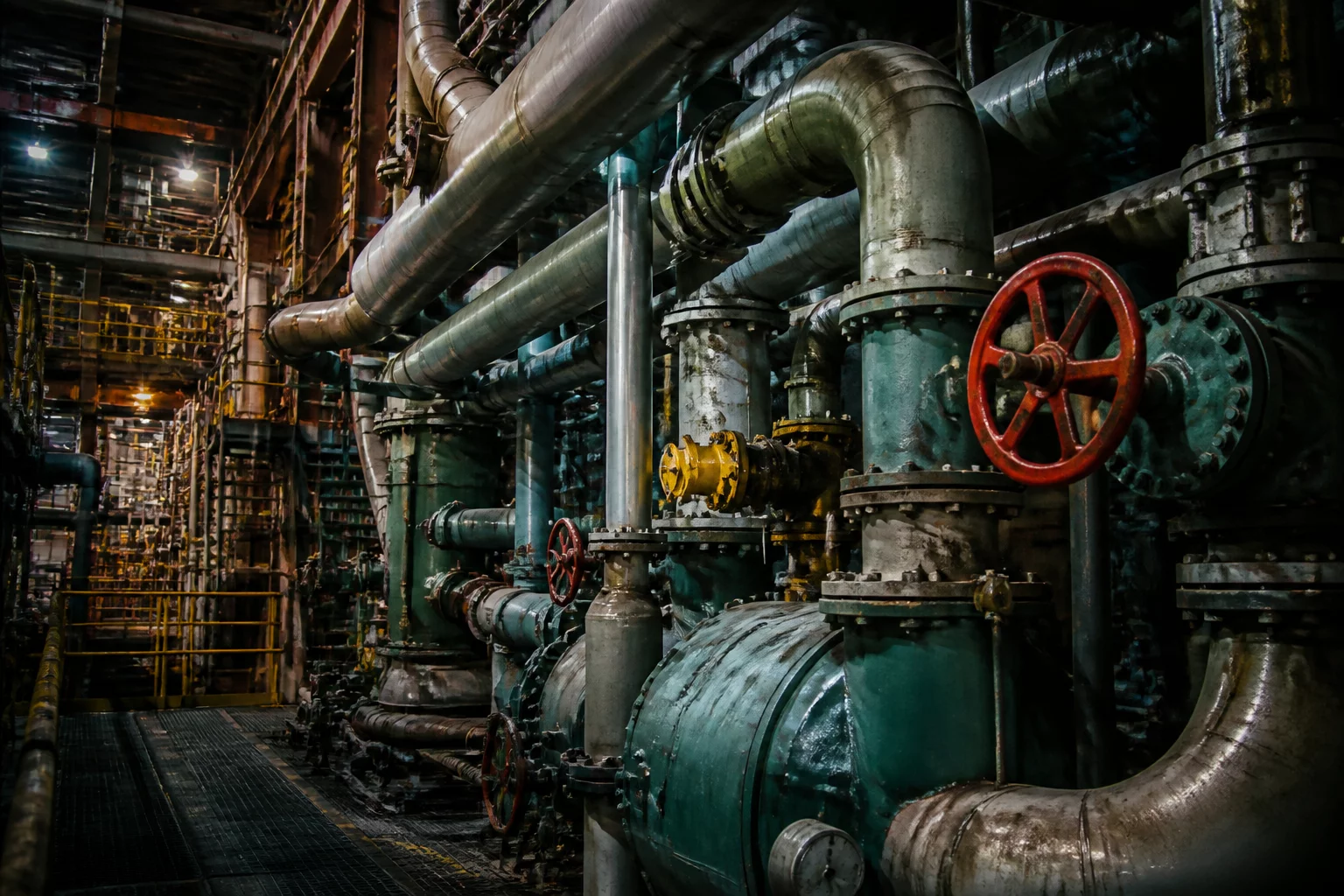
Industrial facility projects often turn into a logistical puzzle. Unlike standard commercial builds where systems are hidden, industrial environments feature exposed process piping, heavy structural steel, and massive HVAC units that must coexist in extremely tight quarters. In this specific case, an expansion for a chemical processing plant presented a nightmare scenario: over 450 hard clashes were identified during the initial BIM coordination phase.
The core challenge wasn't just that the pipes were hitting the beams. The real problem was the "logic of maintenance." Even when systems didn't physically intersect, their proximity made it impossible for technicians to reach valves or for inspectors to verify welds. We realized that automated clash detection software was only catching the physical overlaps, not the operational failures.
Implementing the Priority Zone Hierarchy
To resolve this, we didn't just move pipes at random. We established a rigid hierarchy of systems. Gravity-fed drainage and large-bore process lines were given "Zone 1" priority, meaning they stayed in their engineered positions. Electrical conduits and smaller instrumentation lines were designated as "Zone 3," allowing them the most flexibility to route around obstacles. By applying this logic across all disciplines, we reduced the number of unresolved issues from 450 down to 12 in less than three weeks.
This approach highlights the importance of human oversight in the coordination process. While the software flagged the problems, it was the team's understanding of the facility's lifecycle that provided the solutions. We didn't just fix the drawing; we ensured the plant could be safely operated for the next thirty years.
"Clash resolution in an industrial setting isn't about finding space; it's about defining the hierarchy of permanence."
Final Results and Field Performance
The results were immediate once construction began. Field rework—which typically accounts for a significant portion of industrial budget overruns—was reduced by 95%. The pipe fitters and steel erectors followed the coordinated model with zero on-site modifications to the primary runs. This case study proves that a robust sheet-to-sheet logic review, combined with a clear priority system, is the only way to manage the complexity of modern industrial AEC projects.
Frequently Asked Questions
What is a "Soft Clash" in industrial coordination?
A soft clash refers to an issue where objects don't touch, but their proximity violates safety codes, maintenance clearances, or insulation requirements. Our protocol treats these as high-priority items.
How do we decide which system moves first?
We use a cost-to-modify ratio. Moving a 24-inch stainless steel process line is significantly more expensive and technically difficult than rerouting a 2-inch electrical conduit. The more expensive system usually keeps its path.
Discussion & Feedback
No comments yet. Be the first to leave a comment.
Leave a Comment