Integrating Cost-Saving Changes without Breaking Document Logic
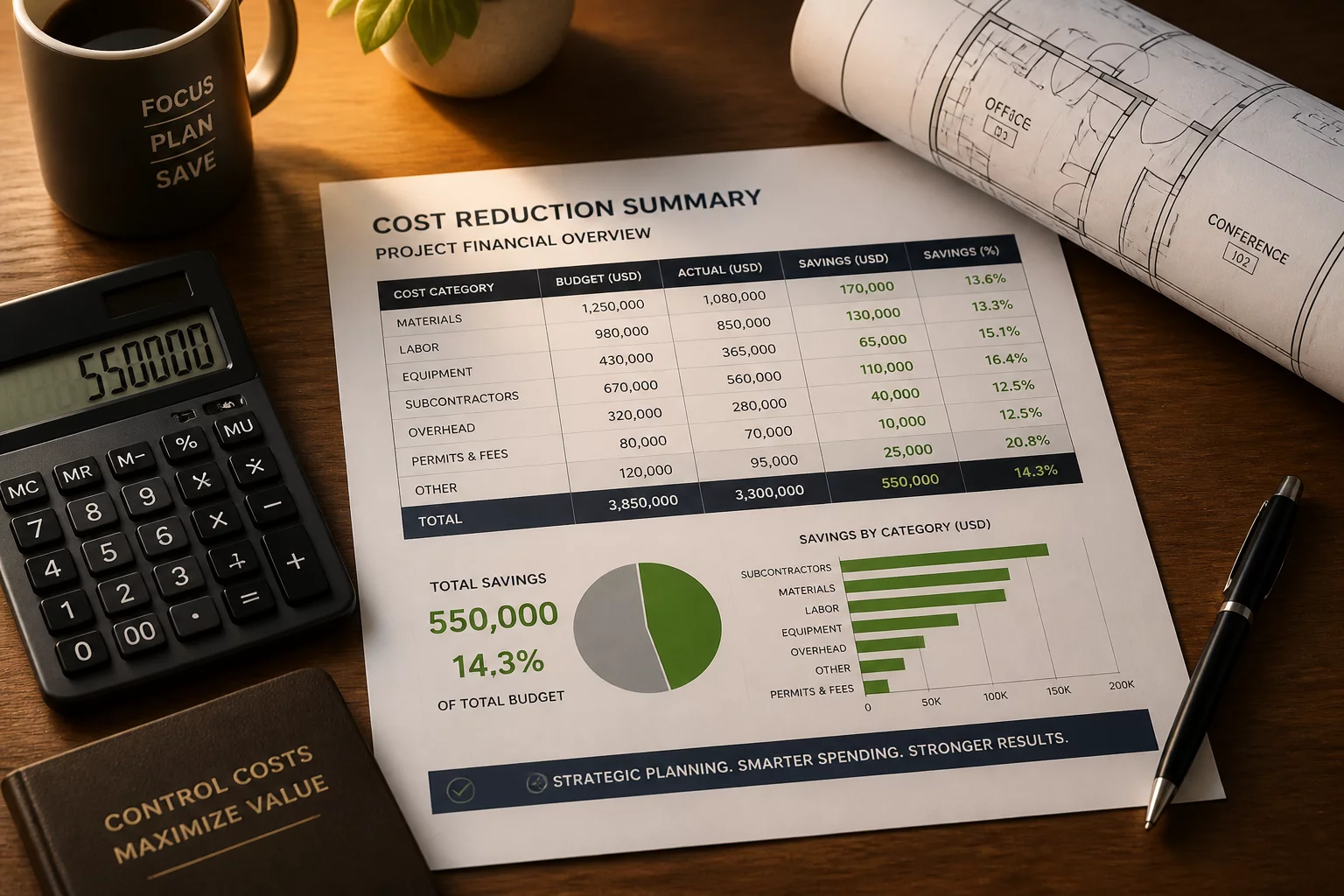
Value Engineering (VE) is a systematic method to improve the "value" of a project by examining its functions and identifying ways to reduce costs without compromising essential performance. In the AEC industry, however, it often becomes synonymous with "cost-cutting" during late-stage design or construction. While the financial benefits are clear, the impact on document logic and sheet coordination is frequently underestimated. A VE adjustment is not a standalone event; it is a catalyst for a series of revisions that must be managed with precision.
The Ripple Effect of Material Substitution
Consider a common VE scenario: substituting a specified stone cladding for a high-quality metal panel system. At first glance, this is an aesthetic and budgetary change. However, the technical implications are vast. The dead load on the structural frame changes, potentially requiring smaller (or differently spaced) steel members. The thermal properties of the wall assembly shift, necessitating a review of the building envelope's R-value. Finally, the attachment details—the way the panel connects to the backup wall—are entirely different. If these changes aren't tracked across the structural, architectural, and detailing sheets, the set loses its internal consistency.
Best Practices for VE Coordination
To prevent VE from derailing project quality, the review team should follow a strict protocol. It begins with an Impact Assessment Matrix. Before a VE item is accepted, the lead reviewer should identify every discipline that needs to weigh in. If the change involves a mechanical system, the electrical engineer must verify if the power requirements have changed. If it involves an interior finish, the life safety consultant must check the flame spread ratings.
- Verify Specifications: Often, drawings are updated but the project manual is forgotten. Ensure the specifications match the sheets.
- Update Schedules: Door, window, and finish schedules are the first places where VE errors hide. A changed window frame material can affect hardware sets and thermal breaks.
- Detail Consistency: Large-scale plans might show the new material, but 1:5 details might still show the old assembly. Cross-check every callout bubble related to the change area.
Documenting the "Why"
One of the biggest challenges in long-term project management is looking back at a set of drawings and wondering why a certain design decision was reversed. VE adjustments should be clearly labeled in the revision history. Instead of a generic "Revised per Owner Request," use specific language like "Revised per VE Item #14 (Cladding Substitution)." This creates a clear paper trail for future facility managers and contractors who may need to understand the building's performance limits.
Frequently Asked Questions
No, it can happen at any stage. However, VE during the Construction Documentation (CD) phase is the most dangerous for sheet logic because the drawings are highly integrated by that point. Early VE is much easier to absorb into the base design.
Any VE adjustment that touches a fire-rated assembly must be accompanied by a revised Life Safety Plan. This is a non-negotiable step in the coordination process to ensure code compliance is never sacrificed for budget.
Discussion & Feedback
No comments yet. Be the first to share your experience with Value Engineering adjustments.
Leave a Comment